After exploring Rome, heading south feels like travelling through a time machine that eventually leads you to a Mediterranean paradise. This leg of the journey is one of incredible contrasts: the haunting, ash-preserved streets of an ancient tragedy and the vibrant, lemon-scented cliffs of a coastal dream.
1. Pompeii: A City Frozen in Time
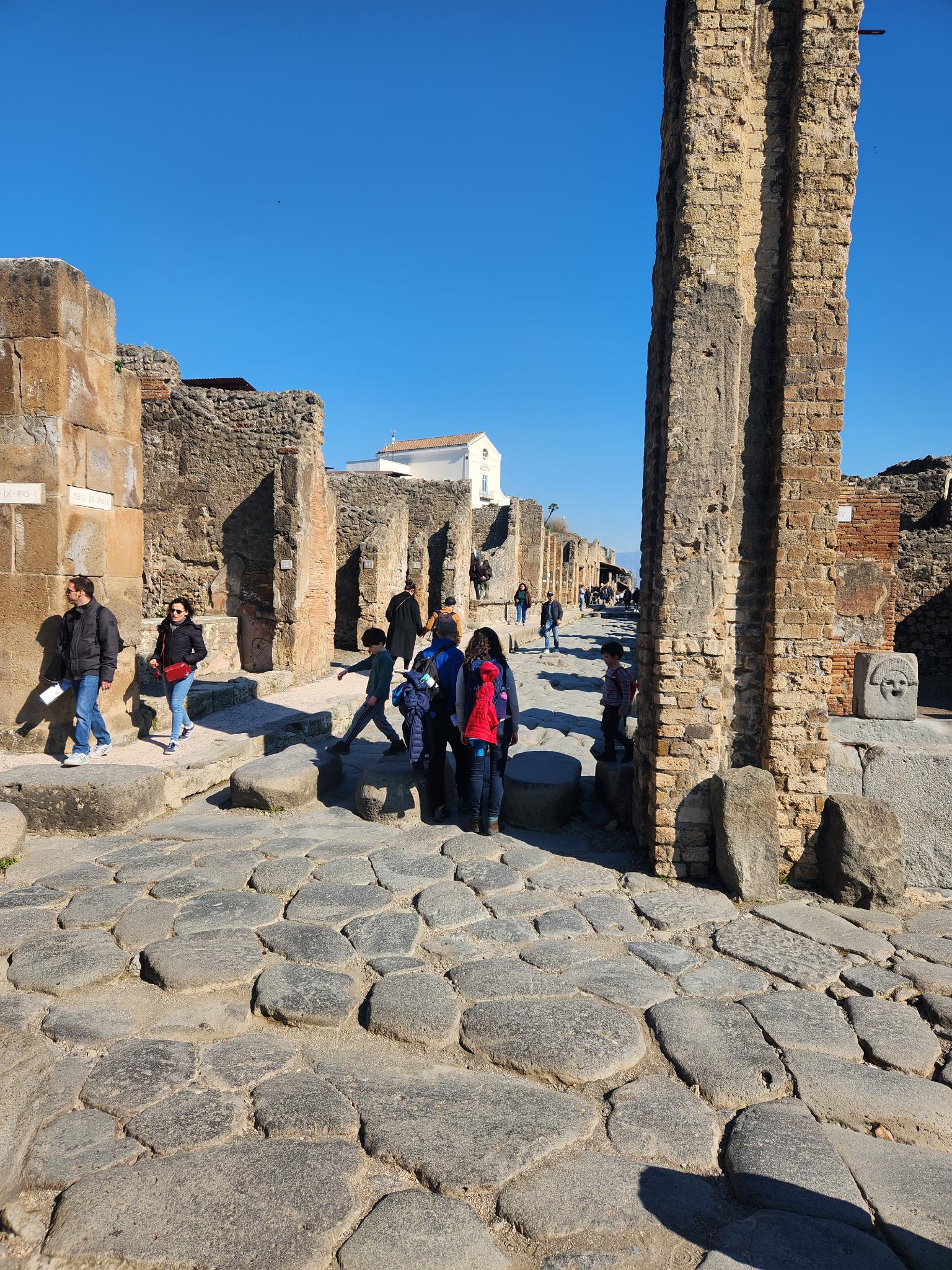
Walking into Pompeii is unlike any other historical site in the world. Usually, ruins are just foundations and broken pillars. In Pompeii, you are walking down actual Roman streets, peering into actual Roman kitchens, and seeing the vibrant frescoes that decorated homes 2,000 years ago!
- The Eerie Atmosphere: There is a specific silence in Pompeii. As I walked the ancient stone roads—still bearing the ruts from chariot wheels—it was impossible not to look up at Mount Vesuvius looming in the distance. It feels like the mountain is still watching its work. Not to mention that it’s still a very active volcano!
- The Highlights:
- The Forum: The center of public life, framed perfectly by the volcano in the background.
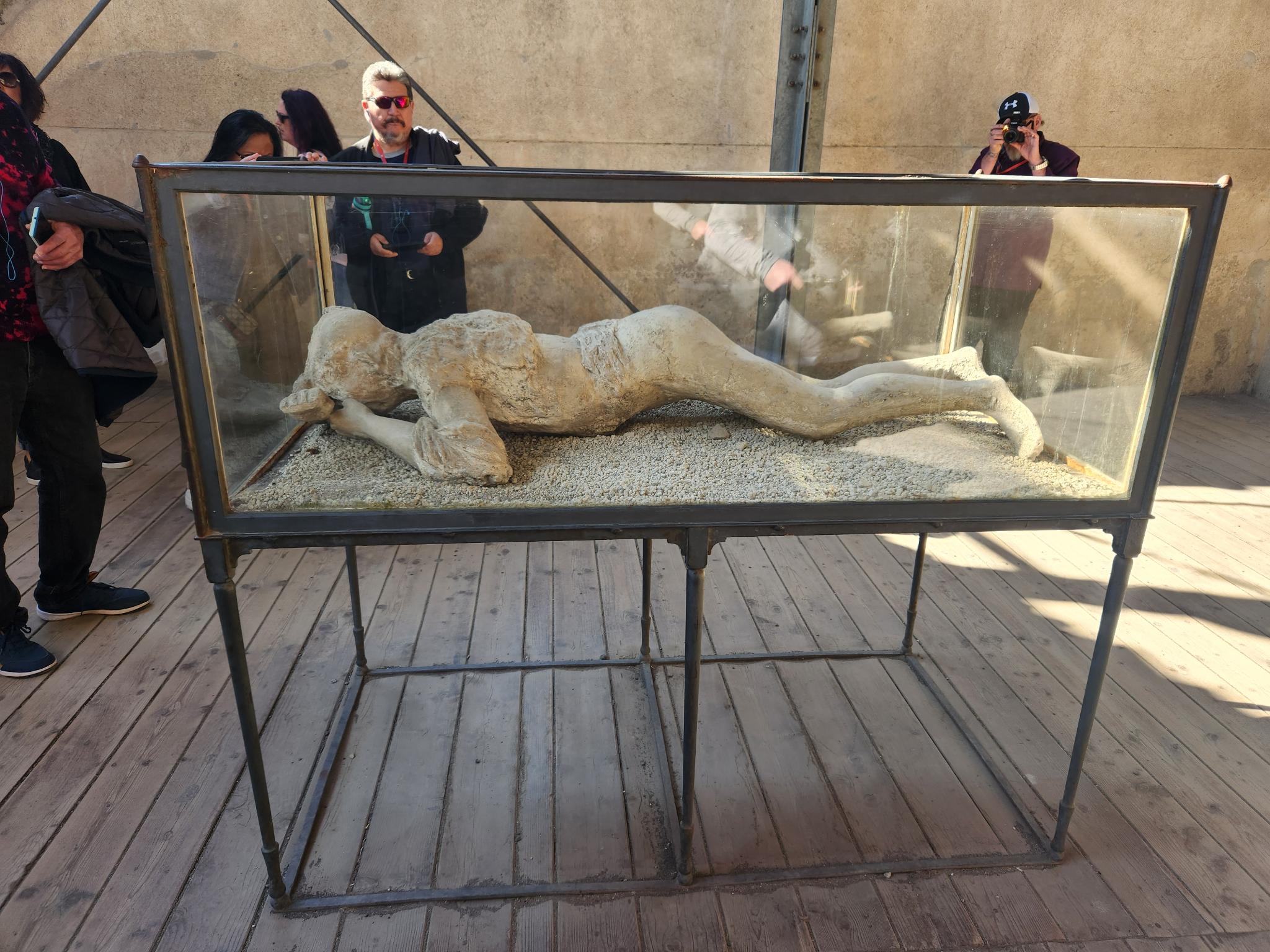
- The Garden of the Fugitives: Seeing the plaster casts of the victims is a sobering, humanizing moment. It transforms “history” into a deeply personal story of real people caught in a moment of terror.
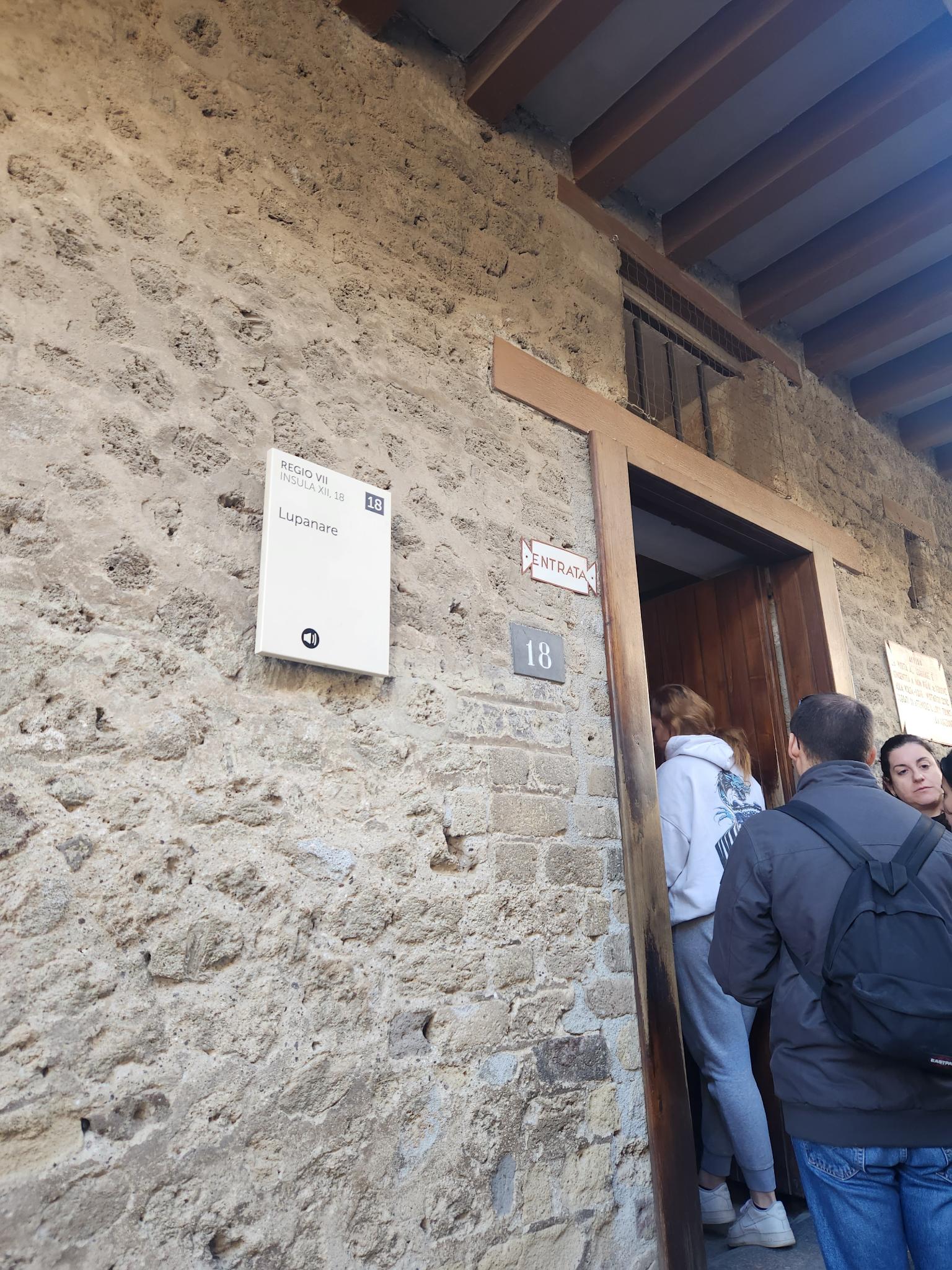
- The Lupanare: The ancient brothel, famous for its explicit frescoes, offers a fascinating (and sometimes humourous) look into the “uncensored” side of Roman life. (See photo below of the entrance)
- Pro Tip: Wear your sturdiest walking shoes. The “roads” are made of massive, uneven stones that will wreak havoc on your ankles if you’re in flimsy sandals!
2. Sorrento: The Gateway to the Almalfi Coast
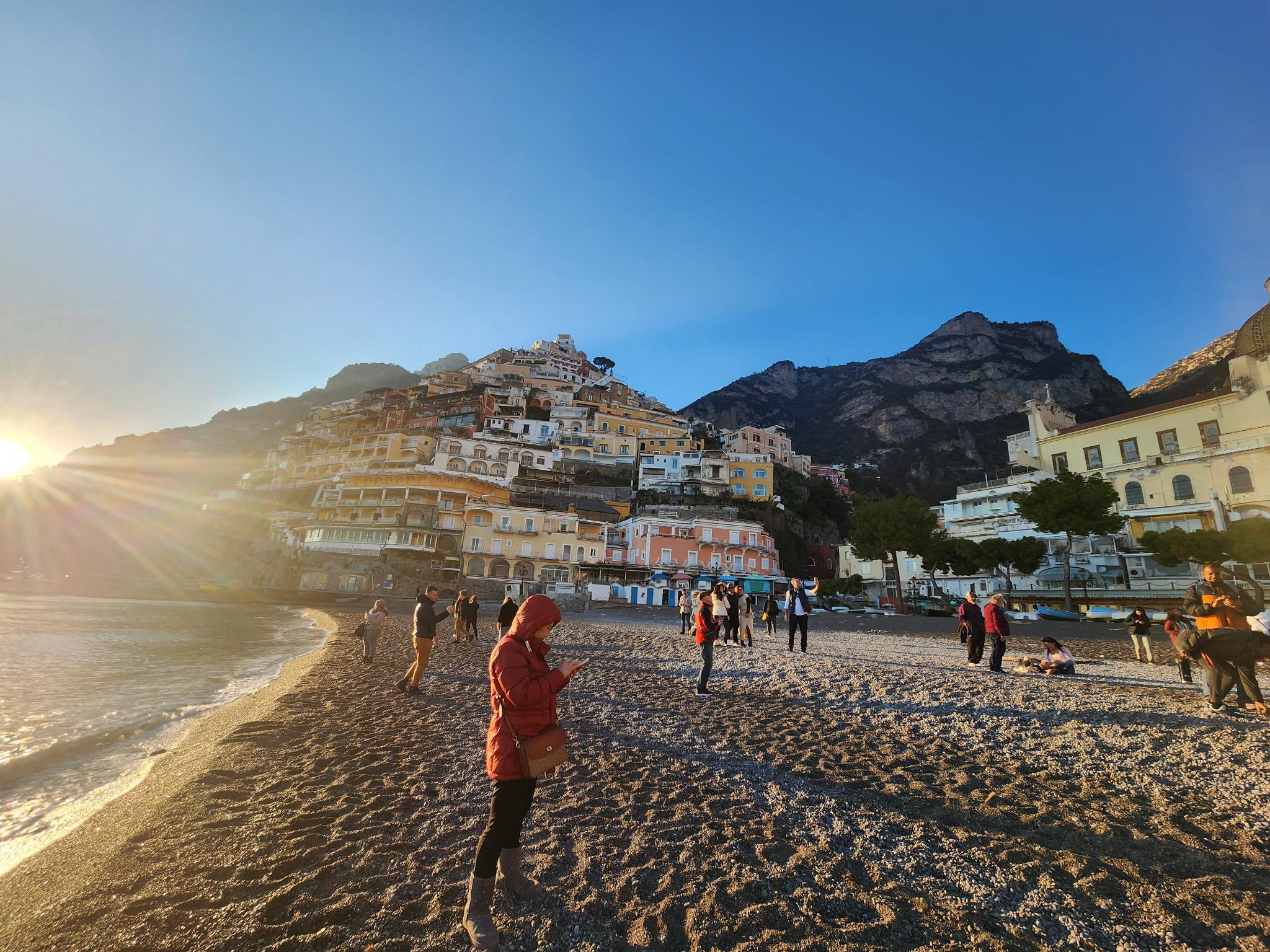
After the dusty, sun-baked ruins of Pompeii, arriving in Sorrento felt like a cool glass of water. Perched on a cliff overlooking the Bay of Naples, Sorrento is the perfect blend of Italian charm and coastal luxury.
- The Scent of Lemons: You smell Sorrento before you see it. The region is famous for its massive Sfusato Amalfitano lemons—some as big as a football. Naturally, this leads to one thing: Limoncello. I absolutely fell in love with limoncello gelato during this trip and highly recommend trying it while you’re there!
- The Evening “Passeggiata”: Every night, the main square (Piazza Tasso) comes alive. Locals and travellers alike enjoys their time to walk, talk, and eat gelato. It’s where I truly learned the meaning of La Dolce Vita. It was a bit cold when I was there but the experience was no less wonderful! If anything, I highly recommend going in the off-season so it’s less crowded and much more enjoyable in my experience!
The Southern Logistics: Getting Around
| Route | Transport Mode | Time | Insider Tip |
| Rome to Naples | Frecciarossa (High-speed) | 1h 10m | Book in advance for “Premium” class—it’s worth the extra €10! |
| Naples to Pompeii | Circumvesuviana Train | 35m | It’s a bit “gritty” and crowded, but it’s the most authentic way to travel. |
| Pompeii to Sorrento | Circumvesuviana Train | 30m | Sit on the right side of the train for the best views of the sea! |
A Taste of the South
If you think you know Italian food, wait until you get to Campania.
- Gnocchi alla Sorrentina: Simple, perfect comfort food. Potato gnocchi baked in a rich tomato sauce with bubbling mozzarella and fresh basil.
- Delizia al Limone: A lemon sponge cake covered in lemon cream. It’s light, tart, and addictive.
- The Pizza: You are just a stone’s throw from Naples. The pizza here is soft, charred, and topped with buffalo mozzarella that was likely made that morning.
Final Thoughts: The Contrast of Life
Standing in Pompeii, you realize how fragile life is. Standing in Sorrento, you realize how beautiful it can be. This leg of my three-week journey taught me to appreciate the “now”—to linger longer over my coffee and to watch every sunset until the very last sliver of light disappears.
Next Up in The Italian Renaissance: We’re taking a boat across the turquoise water to the Isle of Capri before heading back to the mainland for the ultimate coastal road trip.

